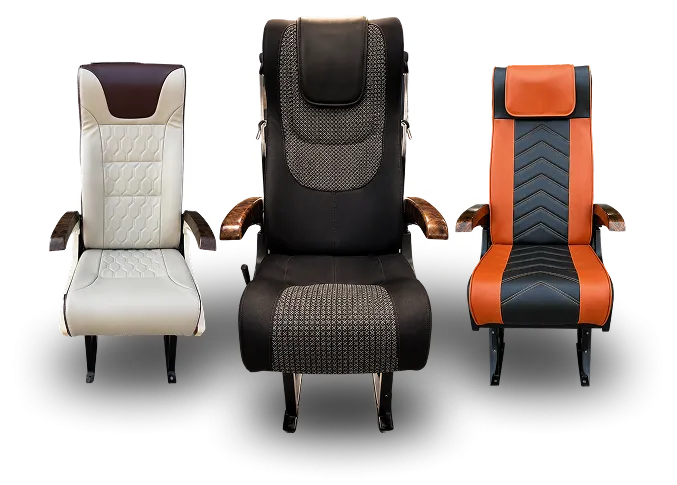
A collection of ideas, insights, and observations on bus seating, coach interiors, passenger comfort, and the standards that hold over time.
It depends on route frequency, cleaning methods, and passenger volume. High-usage routes may show visible wear sooner, especially on edges and armrests. Plan inspections every few months and refresh upholstery when comfort perception drops or cleaning stops working. Regular upkeep extends seat life significantly.
Start with the recline mechanism, mounting points, and fasteners. Noise usually comes from wear, loosened fittings, or misalignment during installation. Early checks prevent bigger failures and reduce downtime. A quick inspection routine during scheduled maintenance helps keep movement smooth and consistent.
Choose materials based on your cleaning routine and passenger profile. Look for surfaces that resist stains, handle frequent wiping, and maintain colour consistency. Also consider stitching quality and fit, since poor finishing shows wear quickly. The right upholstery reduces maintenance effort and improves overall perception.
Share coach type, intended routes, preferred seat category, estimated quantity, and timeline. If you have interior drawings or basic measurements, include them. Photos of the current interior also help. Clear inputs reduce back-and-forth and allow quicker recommendations and quotation accuracy.
Standardise on a chosen seat category and keep specifications consistent across orders. Comfort changes when the foam feel, mechanisms, or upholstery finishing vary. Controlled checks and repeatable build standards matter. Consistency improves passenger perception, reduces complaints, and keeps interiors uniform during upgrades.