
How Does Bus Seat Maintenance Keep Bus Seats Clean, Comfortable, and Durable?

 Oct 6, 2026 | 17 min read
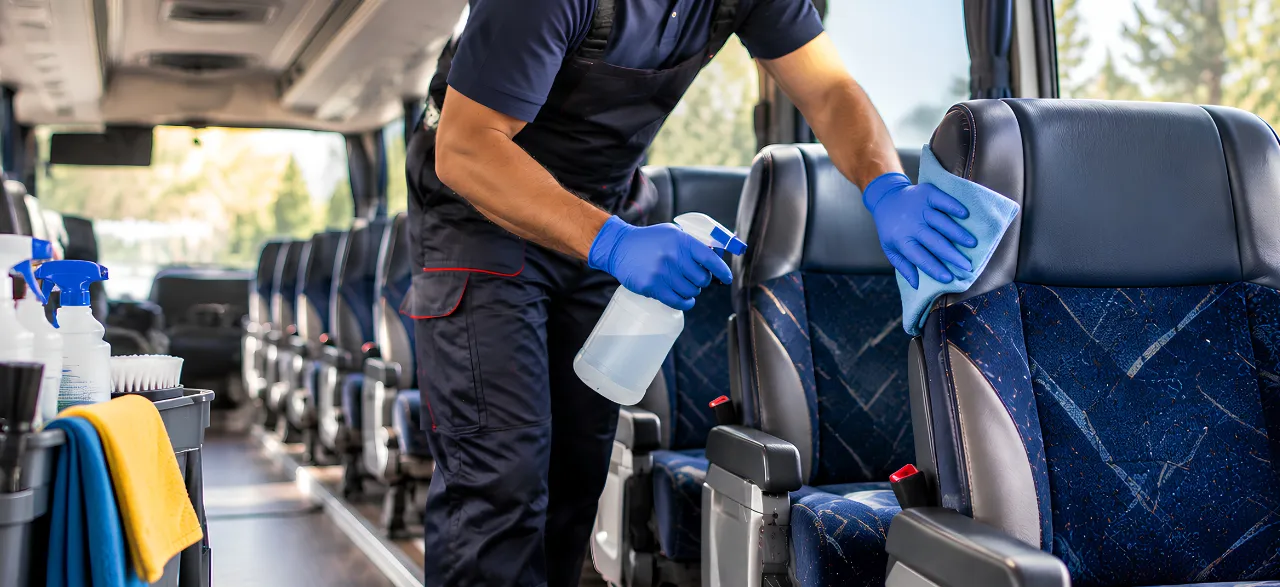
Bus seat maintenance is essential for keeping bus seats clean, comfortable, safe, and durable over time. Regular vacuuming, prompt stain removal, suitable upholstery cleaning products, proper drying, and timely inspection can help prevent dirt buildup, upholstery damage, unpleasant odors, and premature seat replacement.
Bus seats experience frequent use and are exposed to dust, food and drink spills, moisture, friction, and everyday wear. Without proper care, these factors can gradually affect the upholstery, stitching, cushioning, frames, and reclining mechanisms. Simple maintenance issues can then become costly repairs or replacements.
The right maintenance approach depends on the seat material, frequency of use, operating conditions, and manufacturer recommendations. Fabric, vinyl, and artificial leather upholstery may require different cleaning methods and products, so using excessive water or harsh chemicals should be avoided.
A practical bus seat maintenance routine should therefore include regular cleaning, upholstery inspection, quick treatment of stains, checking for damaged stitching or cushioning, and repairing minor problems before they become serious. This guide explains how to clean bus seats, how often they should be cleaned, how to care for bus seat upholstery, and the common mistakes to avoid to maintain passenger comfort and extend seat life.
The seats inside a bus are one of the most commonly touched and used components of the vehicle. Dust particles, dirt, food, moisture, and general wear and tear are common inside a bus.
In a survey done on perceptions of passengers in Guwahati, it was found that the hygiene of the vehicle and its condition have become an increasingly significant factor in determining the perception of bus service during the post-COVID-19 period.
Thus, bus seat maintenance is more than just aesthetics.
It can help:
Cleaning, repairing, and replacing seats and upholstery are part of bus maintenance according to NITI Aayog’s guidelines for bus operations and maintenance.

Understanding how to clean bus seats begins with understanding what type of fabric the seats are made of. Different materials, such as fabric, vinyl, and artificial leather, among others, need to be treated differently during cleaning.
One must ensure that he uses the right cleaning method by referring to instructions by the manufacturers. The use of the wrong chemicals can lead to discoloration or even damage.
The basic cleaning process can involve:
An important point here is that one should not use too much water because some materials used for upholstery can get ruined when subjected to moisture for a long period of time.
For example, the manufacturer’s guidance for bus upholstery advises cleaning the upholstery regularly with a vacuum cleaner and cleaning agents appropriate for the specific type of material.
There is no universal schedule for cleaning buses, since frequency depends on the number of passengers, bus route length, operating conditions, and upholstery material.
For example, a bus that transports several hundred passengers a day needs more frequent cleaning than one that is used now and then for personal purposes.
One possible maintenance schedule might be:
| Maintenance Activity | Suggested Frequency | Main Purpose |
|---|---|---|
| Remove visible dirt and rubbish | Daily | Keep seats presentable |
| Vacuum fabric seats | Daily or regularly | Remove dust and loose particles |
| Spot-clean stains | As soon as possible | Prevent stains from setting |
| Inspect stitching and upholstery | Weekly | Identify early damage |
| Deep bus seat cleaning | Monthly or as required | Remove embedded dirt |
| Repair damaged covers or cushions | As soon as required | Prevent further deterioration |
These intervals should be modified in accordance with the instructions issued by the manufacturer and based on actual operational experience. For instance, the 2025 tender of the Telangana State Road Transport Corporation included monthly chemical washing and disinfection of fabric-upholstered buses.
Cleaning bus seat upholstery entails more than cleaning the surface only. Dirt builds up at seams, underneath cushions, and even under the edges of seats in areas that normal surface cleaning may not be able to cover.
For fabric upholstery, vacuuming is possible using an upholstery attachment before a proper cleaning solution is used. It is best to deal with stains quickly since they may be difficult to clean once embedded in the fabric.
According to a coach maintenance manual, seat fabric is vacuumed in the direction of the stitching, and it says that buildup of dirt causes fabric wear.
Where there is vinyl or artificial upholstery, a proper cleaning solution is usually enough. However, it is important to use the right cleaning products for each material.
The type of upholstery used can also affect cleaning, durability, and long-term seat performance. Understanding different bus seat materials can help operators choose appropriate cleaning and maintenance methods.
In order to know how to maintain bus seats, one must go beyond mere cleanliness. It is necessary to consider the condition of the seat physically as well.
During inspections, check for:
The maintenance requirements can also vary depending on the seat configuration and application. Before planning repairs or replacements, it is useful to understand the different types of bus seats and how their features are designed for specific vehicle and passenger requirements.
Fixing a tear early is much simpler than having to replace the whole seat at a later stage. If any foam shows through, then immediate action is required because continued use makes the matter more difficult.

The most common mistake made when cleaning bus seats is thinking that using a strong chemical will give better results.
That is not always the case. Strong chemicals can damage the upholstery, alter colors, and make some materials brittle. Some disinfectants may also not work well with certain parts of the seat.
According to the Freedman Seating Company, the upholstery manufacturer’s guidelines should be followed because cleaning needs may vary from one material to another, such as vinyl or fabric.
When trying out a new cleaner:
This will help avoid turning a cleaning job into an upholstery replacement job.
An organized checklist can help make the cleaning process easy for drivers, operators, and maintenance crews.
While inspecting, ensure that:
Recording maintenance activities will enable operators to spot any persistent problems and address them before the situation becomes serious.
Sometimes, poor maintenance can end up doing more harm than actual usage by passengers. Avoid making these typical errors:
Bus seat maintenance plays an important role in keeping seats clean, comfortable, durable, and suitable for regular passenger use. A consistent routine of vacuuming, stain removal, suitable upholstery cleaning, proper drying, and timely inspection can help prevent premature wear and costly repairs.
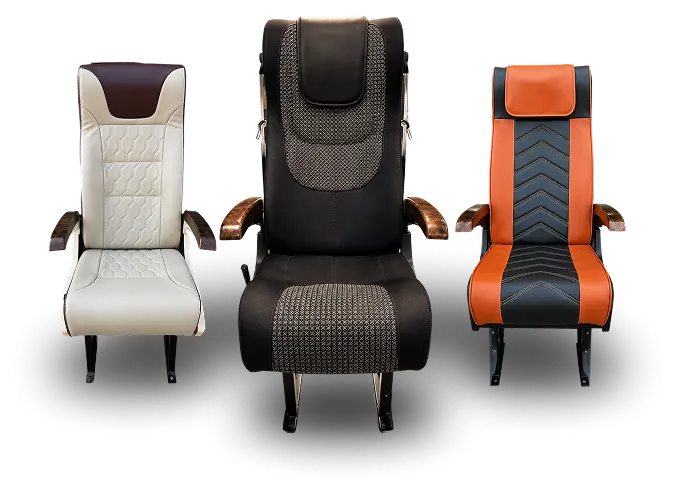
For operators and fleet owners, choosing seats designed for durability and easy maintenance is equally important. As a trusted bus seat manufacturer, SF Seats provides bus seating solutions designed with comfort, durability, and practical use in mind. With the right seat selection and regular maintenance, operators can maintain a better passenger experience while extending the service life of their bus seats.
Remove loose dirt regularly, vacuum fabric seats, wipe vinyl or plastic surfaces with a suitable cleaner, treat spills quickly, and allow seats to dry completely.
Bus seats should be cleaned regularly based on usage. High-traffic buses may need daily surface cleaning, while deeper cleaning can be scheduled as needed.
The best method depends on the upholstery. Vacuum fabric seats and use a fabric-safe cleaner, while vinyl seats can generally be cleaned with mild soap and warm water.
Use a cleaner approved for the specific seat material. Mild soap and water are commonly suitable for vinyl, while fabric seats require an upholstery-safe cleaning solution.
Treat stains as soon as possible using a cleaner suitable for the upholstery. Gently clean the affected area and avoid abrasive tools or harsh chemicals that can damage the seat material.
Clean spills promptly, remove rubbish and loose dirt frequently, inspect high-contact areas, and follow a regular seat-maintenance schedule to prevent dirt and stains from building up.
