

City Bus
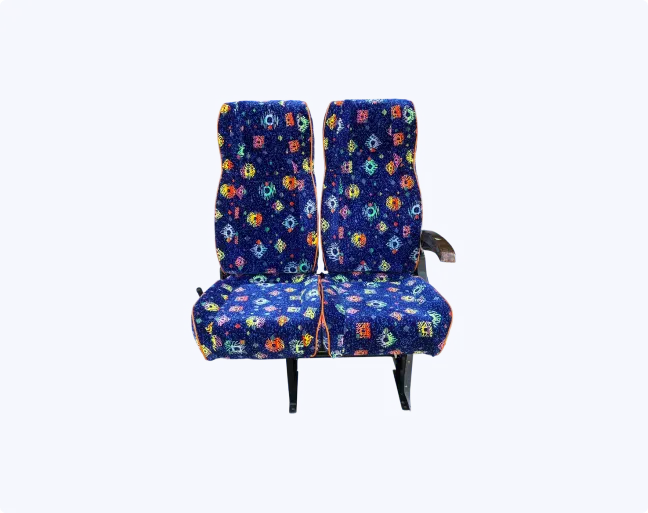
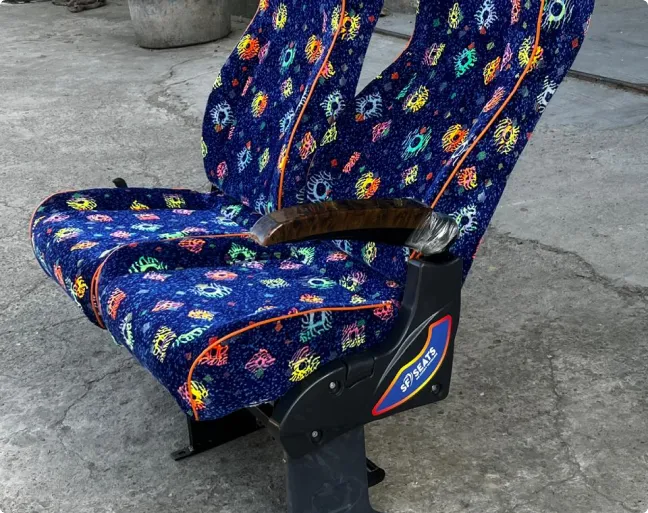
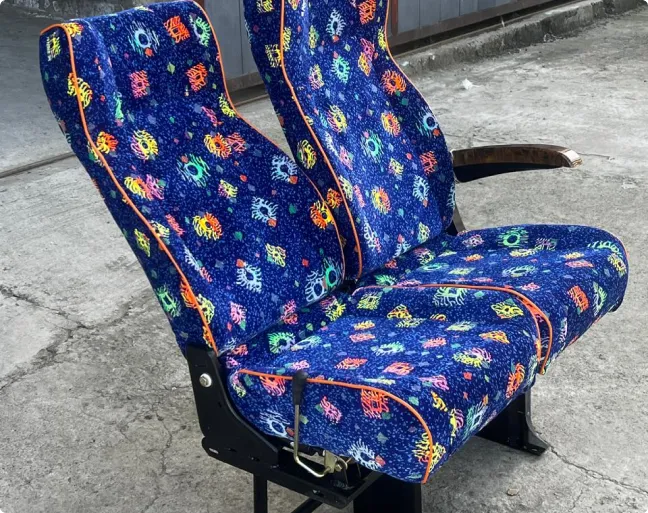
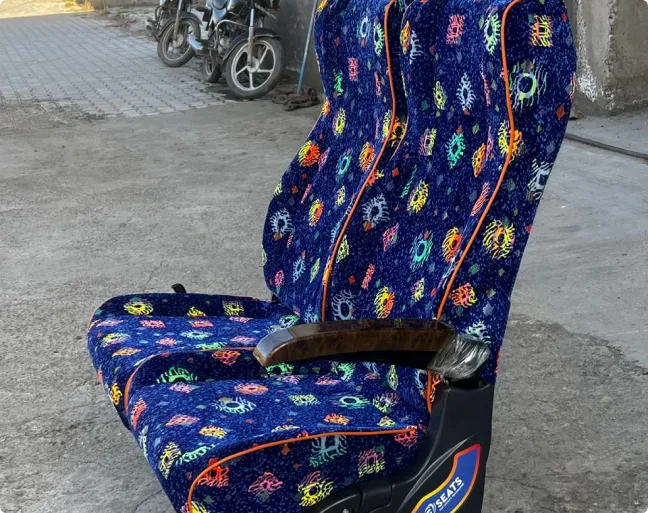

Built for higher-capacity coach interiors, this 3×2 format supports organised row planning while maintaining passenger comfort across busy routes and frequent service schedules.

16 Inch

Rexine/Fabric

3 Point & 2 Point

Built for higher passenger density, the 3×2 format enables structured cabin planning across busy intercity routes. Its proportioned seating width supports organised row alignment while maintaining individual seat clarity. The configuration helps operators optimise route economics without compromising overall interior consistency or visual order.

 16" Compact Cushion
Structured Backrest
16" Compact Cushion
Structured Backrest

Developed for structured 3×2 layouts, this model supports predictable installation and repeatable production accuracy across fleet requirements.
Start with your project details, and we’ll help narrow the seating direction with greater clarity around layout, timing, and fitment.


Adapt this configuration based on route category and cabin styling requirements.

Seat Belts

Footrest System

Bottle Holder

Magazine Holder
Stay informed on the ideas, trends, and practices behind modern bus seating.
A 3×2 layout is generally chosen when operators need to increase passenger capacity within a defined coach width. It supports routes where seat volume plays a key role in revenue planning, while still maintaining row alignment and structured interior presentation.
The 16-inch profile allows three seats to be placed together without disrupting cabin symmetry. It helps maintain clear row positioning and aisle alignment, ensuring the interior remains organised even in higher-density seating arrangements.
Builders typically review mounting alignment, aisle clearance, and row spacing to ensure clean integration. With defined proportions and a structured frame, this configuration supports consistent positioning across multiple coaches built under the same layout plan.
When planned correctly, the configuration maintains structured movement within the cabin. Proper aisle planning and balanced seat placement help preserve accessibility while increasing total seating count, making it suitable for organised intercity service operations.
The 3×2 format enables operators to align seating capacity with route demand. By increasing available seats within the same structural footprint, fleets can manage passenger volume more effectively across busy schedules and high-traffic corridors.l
